Electrical Projects
Electrical Project Execution
Electrical project execution from careful dismantling to electrical testing. Varnishing, heating and drying, dry ice cleaning and alignment for motors, generators and other electrical equipment.
- 6
- Services, dismantling to testing
- Lockout · Tagout
- before work begins
- 24/7
- Emergency support
Overview
Electrical equipment, dismantling to testing
Beyond routine repair, RotoTech is a capable project execution partner — from new installations to exact replication of existing systems and full plant expansions.
Dismantling
Electrical Equipment Dismantling
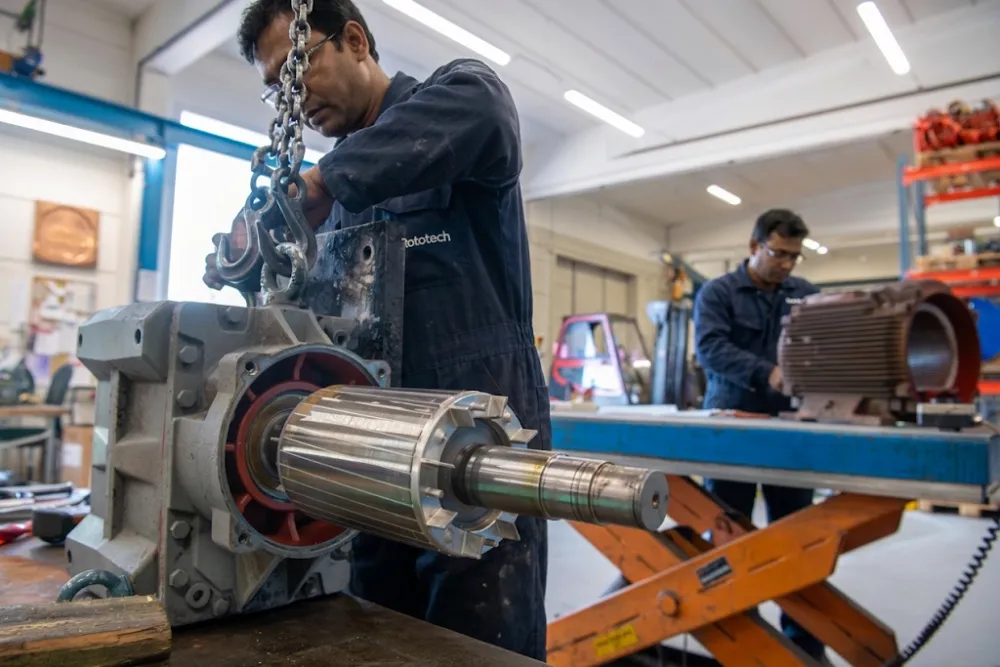
Electrical equipment dismantling involves careful removal of electrical and electromechanical components for inspection, maintenance, repair, or refurbishment. Depending on the project scope, activities may include disconnecting and removing motors, opening equipment enclosures, dismantling accessible internal components, labelling connections, and documenting component arrangements for reassembly. Proper isolation, lockout and tagout procedures, and verification that equipment is de-energized are essential before work begins. Careful handling helps protect components and supports accurate reinstallation.
Activities may include
- Disconnecting and removing motors
- Opening equipment enclosures
- Dismantling accessible internal components
- Labelling connections
- Documenting component arrangements for reassembly
Varnishing
Electrical Equipment Varnishing
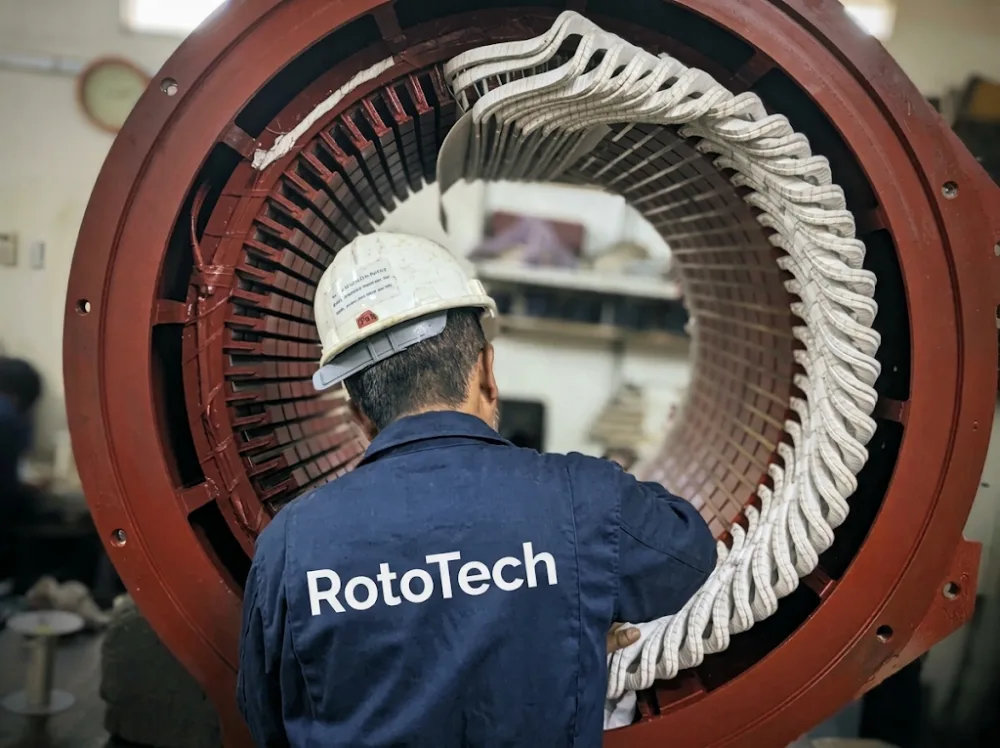
Electrical varnishing is used in suitable electrical equipment, particularly motor and generator windings, to help protect insulation materials and improve the mechanical stability of winding assemblies. Depending on the equipment and insulation system, the process may involve cleaning and drying, applying compatible electrical insulating varnish, and curing it according to the manufacturer's recommendations. Proper varnish selection and application are important for maintaining insulation integrity and resisting vibration, moisture, and environmental contamination. The appropriate method depends on winding condition, insulation class, and equipment specifications.
Resisting
- Vibration
- Moisture
- Environmental contamination
Heating & drying
Electrical Equipment Heating and Drying
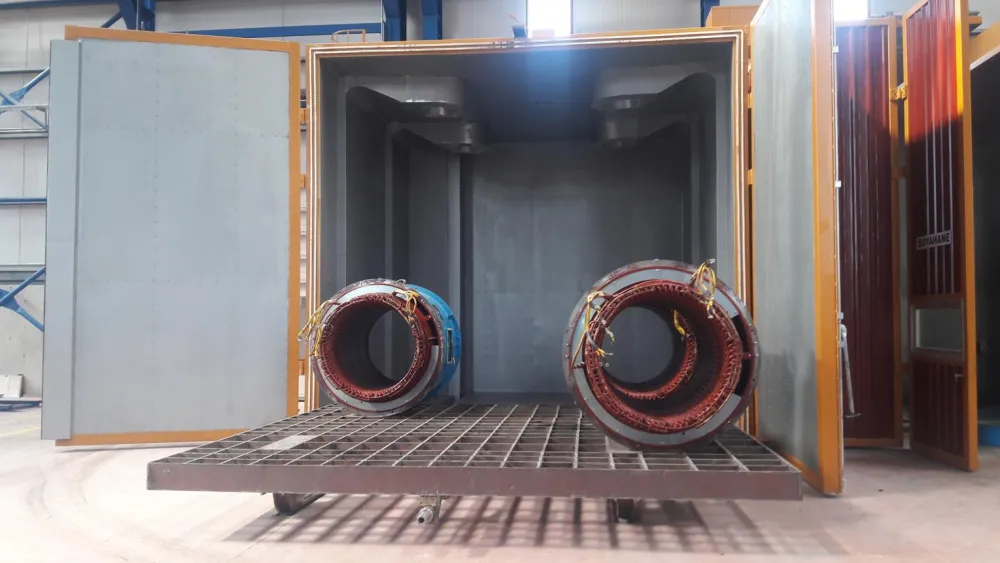
Controlled heating and drying may be required during electrical equipment maintenance to remove moisture from insulation systems or prepare components for further treatment. Applications can include suitable motor windings, generators, and other electrical assemblies exposed to damp conditions. The drying method, temperature, and duration must be selected according to the equipment manufacturer's recommendations and the insulation materials involved. Temperature monitoring and appropriate electrical checks help prevent overheating and reduce the risk of insulation damage during the process.
Applications can include
- Suitable motor windings
- Generators
- Other electrical assemblies exposed to damp conditions
Dry ice cleaning
Dry Ice Cleaning
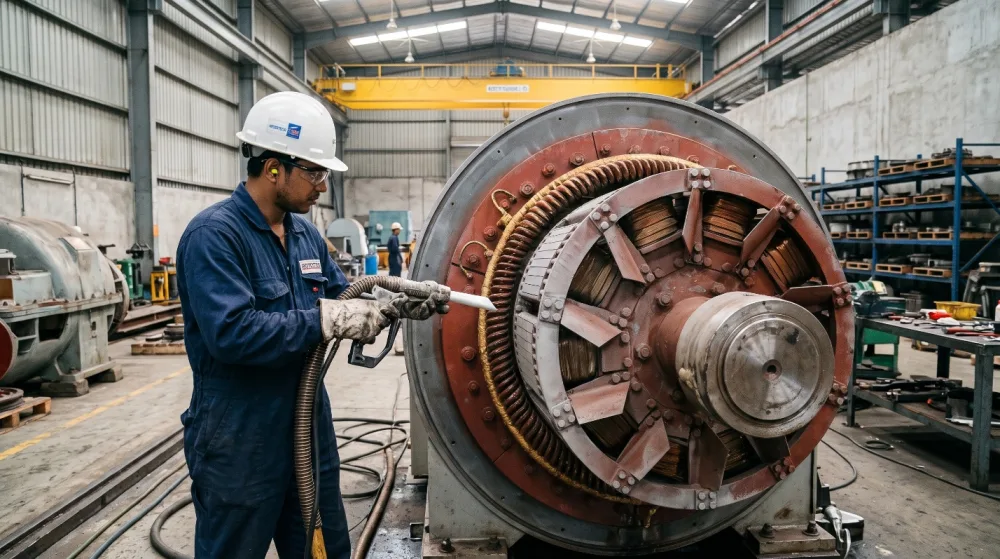
Dry ice cleaning uses solid carbon dioxide pellets or particles to remove selected contaminants from suitable surfaces. The process can help clean industrial equipment without leaving conventional abrasive media or liquid cleaning residues. Depending on the equipment and contamination, it may be considered for external motor surfaces, selected electrical assemblies, and industrial components where the method is appropriate. Equipment suitability, insulation condition, contamination type, and manufacturer guidance must be assessed before cleaning. Electrical isolation and suitable ventilation and personal protective equipment are essential.
May be considered for
- External motor surfaces
- Selected electrical assemblies
- Industrial components where the method is appropriate
Alignment
Electrical and Mechanical Alignment
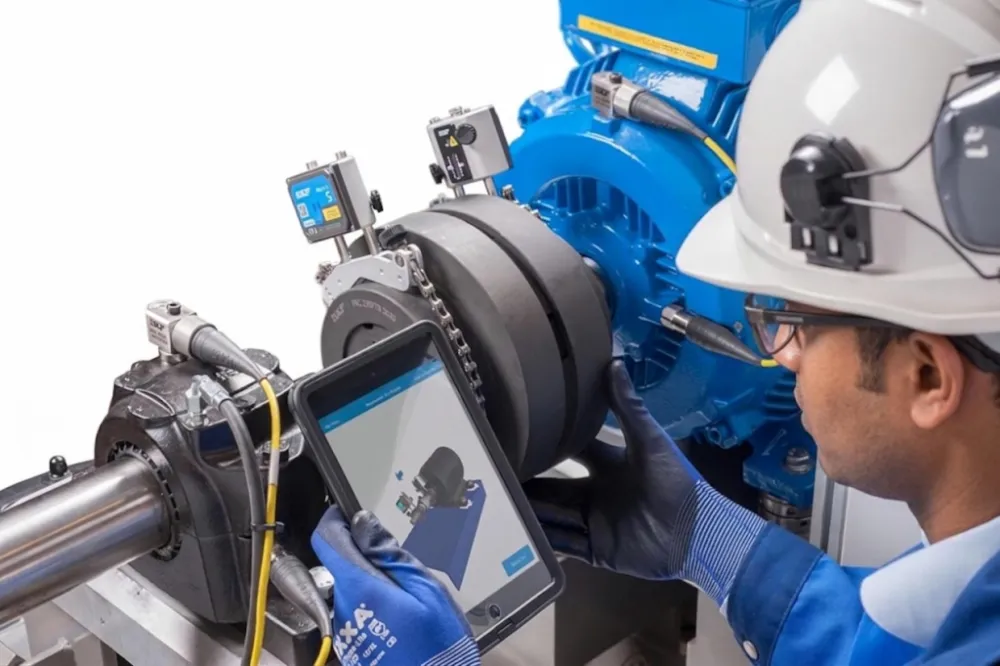
Alignment helps ensure that connected equipment, such as an electric motor and a driven pump or compressor, is positioned correctly relative to each other. Incorrect alignment can contribute to vibration, coupling wear, bearing loads, and premature equipment deterioration. Depending on the application, alignment may involve checking base conditions, measuring shaft or coupling positions, correcting horizontal and vertical offsets, and verifying the final alignment against specified tolerances. Suitable precision tools and manufacturer recommendations should be used, particularly for high-speed or critical rotating machinery.
Alignment may involve
- Checking base conditions
- Measuring shaft or coupling positions
- Correcting horizontal and vertical offsets
- Verifying the final alignment against specified tolerances
Testing
Electrical Testing
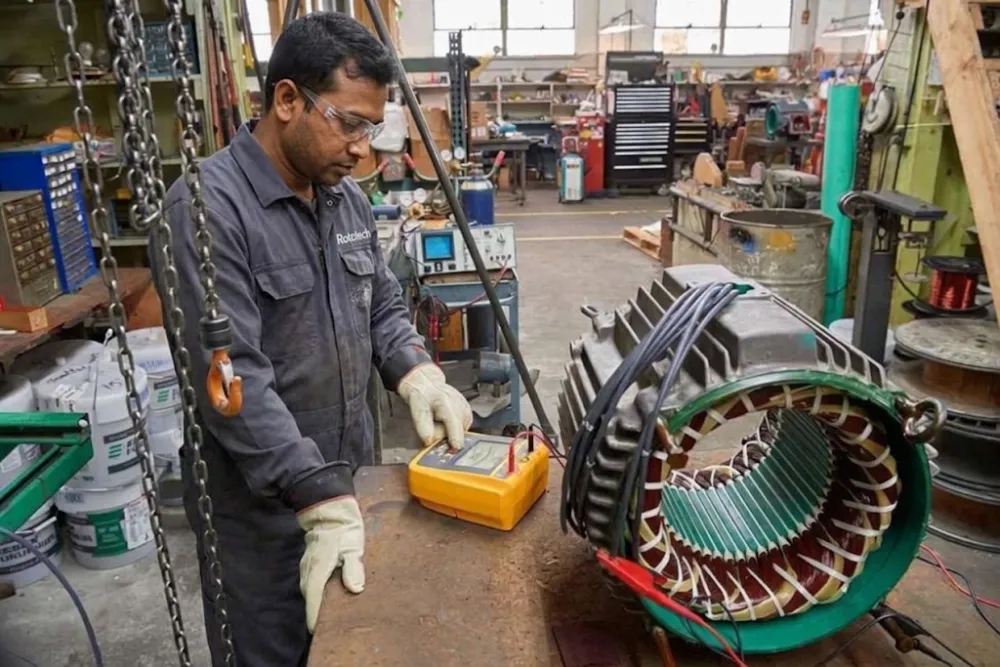
Electrical testing helps assess the condition and operational safety of electrical equipment following installation, maintenance, or repair. Depending on the equipment and test requirements, checks may include insulation resistance, winding resistance, continuity, grounding connections, phase balance, and selected operational measurements. Appropriate testing can help identify insulation deterioration, connection problems, winding faults, or other electrical abnormalities. Test methods and acceptance limits must be selected according to equipment specifications, applicable standards, and manufacturer recommendations. Testing should be performed by qualified personnel using suitable calibrated instruments.
Checks may include
- Insulation resistance
- Winding resistance
- Continuity
- Grounding connections
- Phase balance
- Selected operational measurements
FAQ
Frequently Asked Questions
What electrical project services does RotoTech provide?
- Electrical Equipment Dismantling
- Electrical Equipment Varnishing
- Electrical Equipment Heating and Drying
- Dry Ice Cleaning
- Electrical and Mechanical Alignment
- Electrical Testing
What must happen before electrical equipment is dismantled?
Proper isolation, lockout and tagout procedures, and verification that equipment is de-energized are essential before work begins.
How is electrical testing carried out?
Test methods and acceptance limits must be selected according to equipment specifications, applicable standards, and manufacturer recommendations. Testing should be performed by qualified personnel using suitable calibrated instruments.
Projects
Electrical & Mechanical Project Capability
24/7 Emergency Support — +880 1730-067280
Call Us
Ready to Solve Your
Machinery Challenge?
Fast, no-obligation quote from our engineering team — services or projects